
-
Shop Knives
-
Brands/Blacksmiths
- Blenheim Forge
- CCK
- Fujiwara Kanefusa FKM (Seki Souma)
- HADO
- Hajimaru
- Hatsukokoro
- Higonokami (Folding Knife)
- Hinoura Hamono
- Kajibee
- Kataoka
- Kei Kobayashi
- Kisuke
- Kyohei Shindou
- Leszek Sikon
- Masakage
- Masamoto Sohonten
- Masutani
- Matsubara Hamono
- Morihei
- Naohito Myojin
- Naoki Mazaki
- Nigara Hamono
- Okeya
- Sakai Kikumori
- Sakai Takayuki
- Shigefusa
- Shigeki Tanaka
- Satoshi Nakagawa
- Seido
- Shiro Kamo
- Shizu Hamono
- Shoichi Hashimoto
- Suncraft
- Tadafusa
- Tadokoro Hamono
- Takamura
- Takayuki Shibata
- Takeshi Saji
- Teruyasu Fujiwara
- Tetsujin Hamono
- Tojiro
- Toshihiro Wakui
- Tsunehisa
- Yoshikane
- Yoshimi Kato
- Yu Kurosaki
-
Knife Types
- Bread Knives
- Bunka (General Purpose)
- Cleaver (General Purpose)
- Deba (Fish - Single Bevel)
- Gyuto (General Purpose)
- Higonokami (Folding Knife)
- Honesuki (Poultry - Single Bevel)
- Honyaki
- Kiritsuke (General Purpose)
- Nakiri (Vegetables)
- Petty (Utility)
- Santoku (General Purpose)
- Steak/Table Knives
- Sujihiki (Protein - Double Bevel)
- Yanagiba (Protein - Single Bevel)
- Specialty
-
Steel Types
-
Budget
Knife SetsSharpening GearAccessories & ToolsTable & Cookware -
- Log in
-
My cart0
(1)
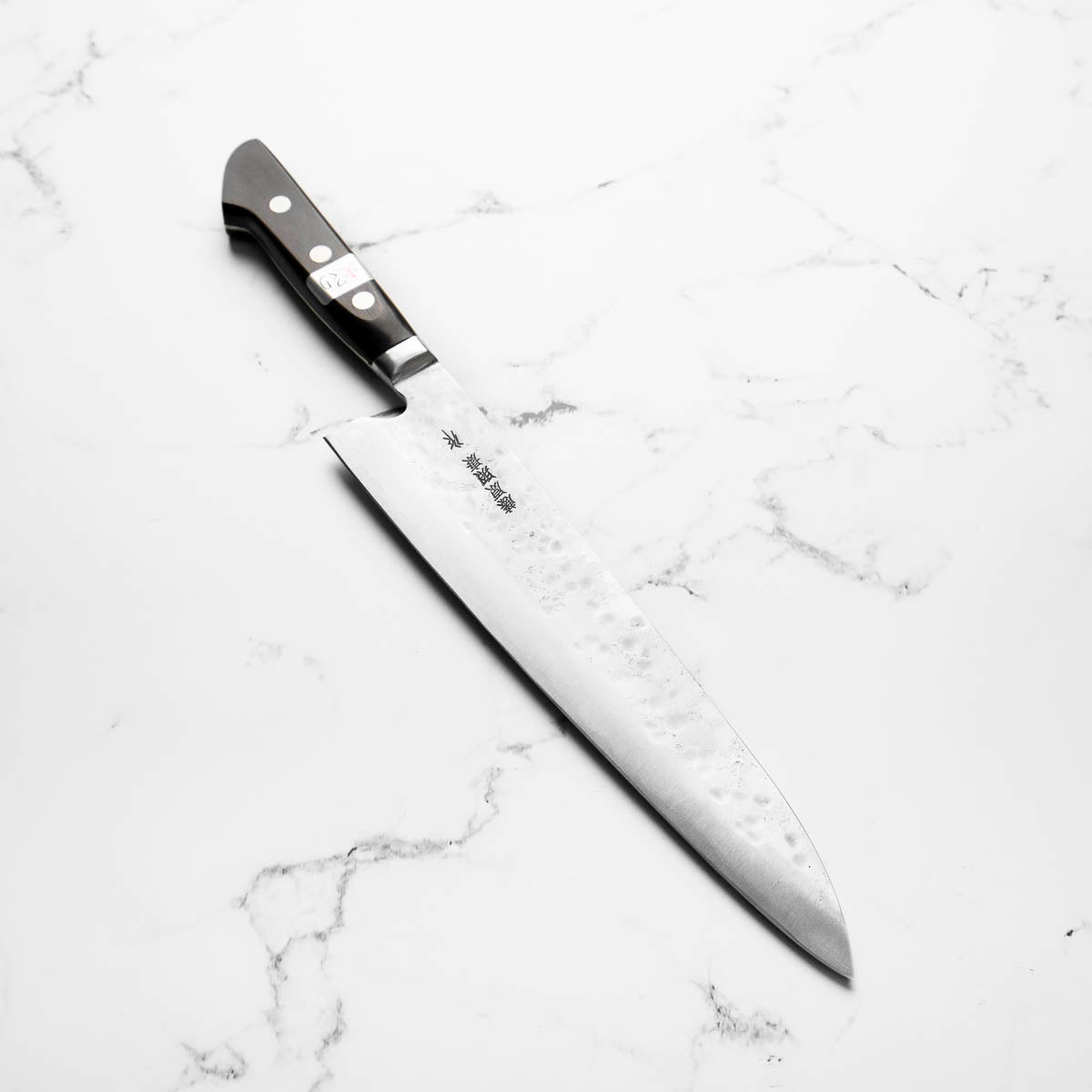
Teruyasu Fujiwara Maboroshi Gyuto 270mm
Share
Knife Specifications
We strive to provide accurate measurements and photographs of our products. However, due to the handmade nature of many items slight variations may occur.
Style
Gyuto
Blade Material
White 1 Core, Stainless Clad
Handle Material
Western Pakkawood
Bevel
Double bevel
Maintenance Level
Medium
Edge Length
273mm
Overall Length
405mm
Spine Thickness
4mm/2.9mm
Blade Height
54mm
Weight
330g
HRC
~64
An In depth look
Blade Type
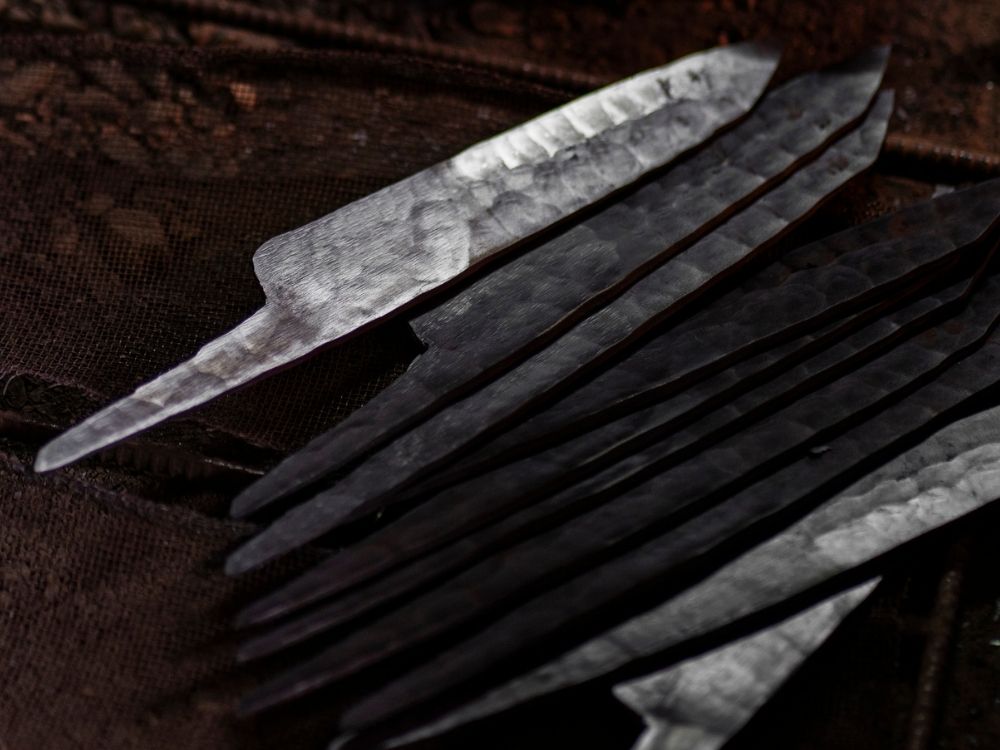
The Gyuto is the do-it-all, general purpose chef's knife. If you are looking for an all-rounder that can handle daily veg and protein prep and portioning, this is the one! A 210mm edge length is the most common, but try a 240mm if you prefer larger knives.
Steel Type
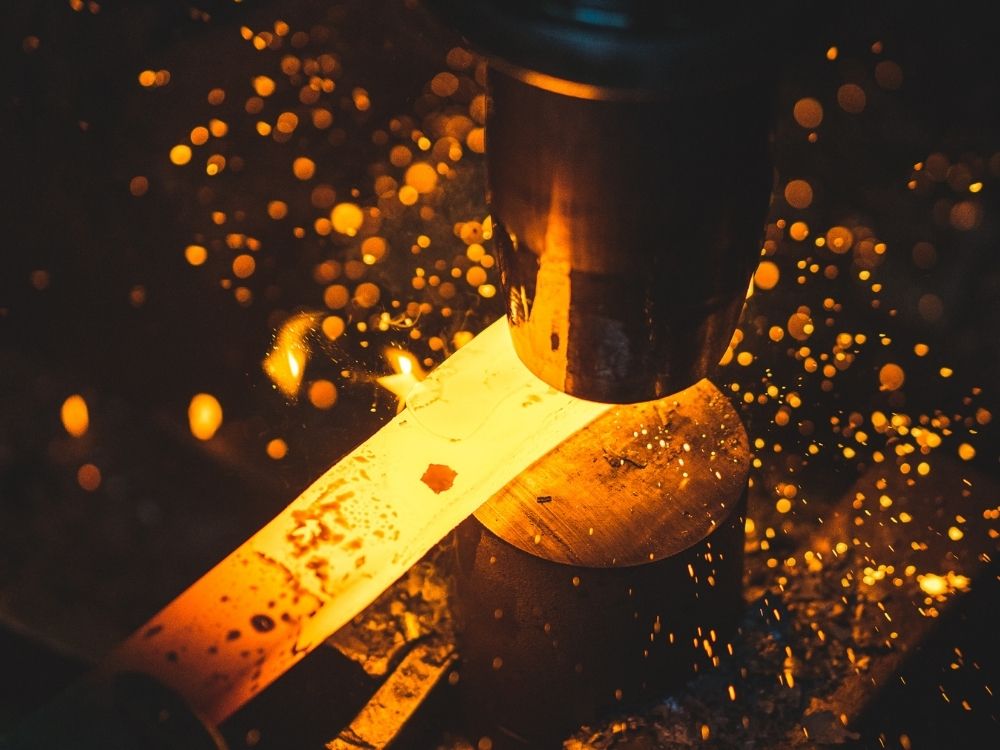
Japanese White Steel #1, the purest form in the "Shirogami" (White Paper Steel) series, is highly regarded for its exceptional sharpness and ease of sharpening. With a slightly higher carbon content than White Steel #2, it delivers superior edge retention, but like White 2 cannot be left wet for even short periods of time, otherwise rust spots can occur. If you’re fastidious in your knife maintenance, this knife steel can be extremely rewarding to use.
Care Information
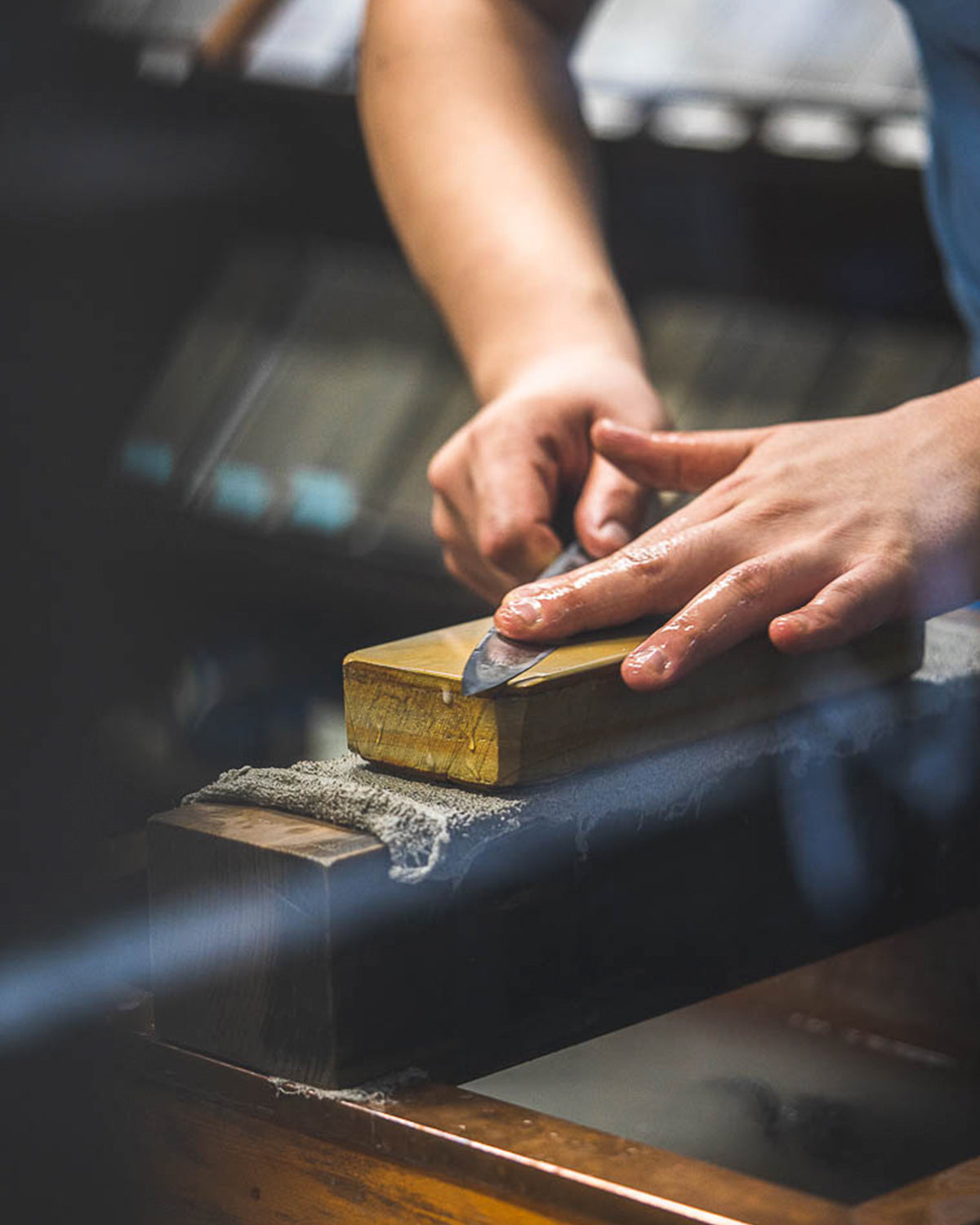
This knife is made from a high-carbon steel and as such, will require a little more care than a regular off-the-shelf knife. It must be dried shortly after use, as prolonged exposure to moisture can cause rust spots to appear. A very light coat of oil during storage also helps to prevent rust spots. A patina (colouration and seasoning of the steel) will occur with use.

Introducing
Teruyasu Fujiwara
Fujiwara knives are handmade by one of Japan's most revered bladesmithing families, whose forge traces its roots back more than 140 years to the 1880s. The current master, Teruyasu Fujiwara IV, works from Tokyo as the fourth generation of his line, applying the same forging principles his ancestors once used to craft the katana.
Each blade is built around san mai construction — a three-layer lamination in which softer outer steel shields a hard, high-performing core. It's a method rooted in traditional sword-making that has since become a hallmark of fine Japanese kitchen knives.
The result is a knife engineered for what matters most at the board: a keen, long-lasting edge, effortless sharpening, and a clean, precise cut that you feel with every slice.
Awesome knive sharp and rock solid 👌