
Sort by


Showing 33–35 of 35 products
Filter & Sort
Sort By

◆ Common Questions
Shopping for Japanese Deba Knives
What is a deba knife used for?
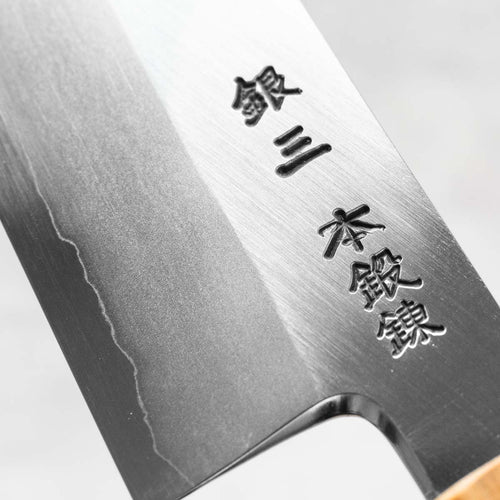
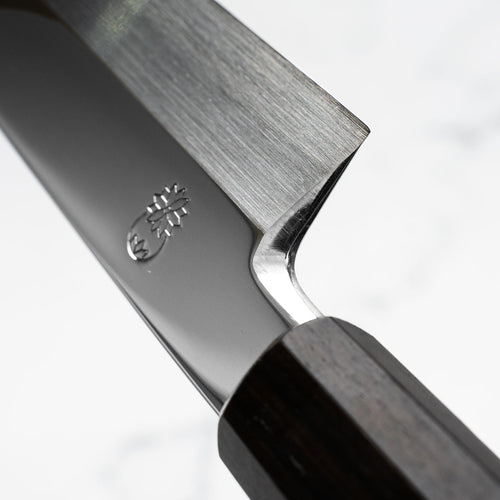
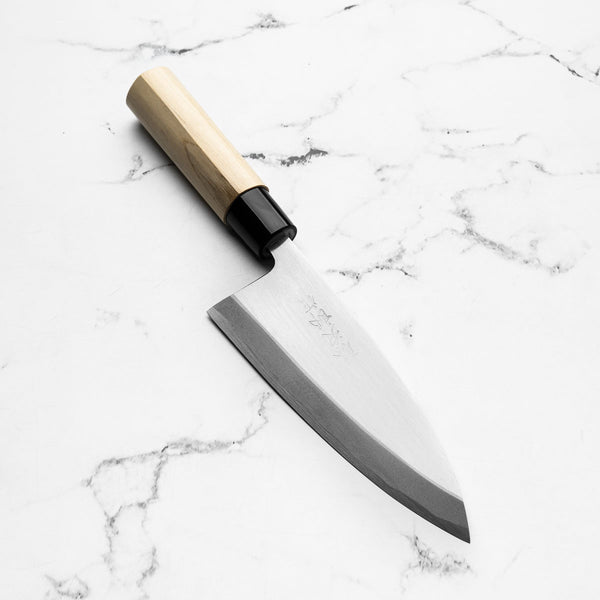
The deba is a traditional Japanese knife designed for breaking down whole fish and small bones. Thick, heavy, single-bevel for precise, controlled cuts along the spine. Pros also use them for small poultry butchery.
Can a deba be used for vegetables?
Single-bevel vs double-bevel deba?
Traditional deba is single-bevel, right-handed by default (left-handed on request). Double-bevel 'yo-deba' exist for Western users who prefer symmetric grinds. Our range covers both; single-bevel is traditional and more capable at fish breakdown.
What size deba should I buy?
150mm handles most smaller fish (snapper, bream). 165mm is a popular all-rounder. 180mm and above suit larger fish or butchery work. First-time buyers usually land on 150-165mm.
Can I sharpen a single-bevel deba on a normal whetstone?
Yes, but technique matters. Single-bevel knives need the bevel side ground, and the flat side only kissed to remove the burr. Start with a 1000-grit whetstone and work slowly. If you are in Perth, our in-store sharpening team can handle single-bevel work directly.
Why are deba knives so heavy?
The weight is deliberate, it lets you break through small fish bones and joints with the force of the blade rather than muscle. The thickness also prevents chipping on bone contact. A thin blade would be ruined on the first fish spine.