Sort by:
1898 products
1898 products
Knife Information
1894- Mr. Tasaburo Shigematsu, a hardware wholesaler, introduced a new pocket knife with its blade and sheath folded by installing a small handle “Chikiri (tail)” on the blade, while inspired by the knife he brought back from Kagoshima.
He named it “Higonokami Knife” because many of his customers were in Kumamoto area (formally Higo country), which turned out to dramatically increase his sales. The blades have gradually changed their shapes. Unlike single-edged knives, the double-edged blades (V-shaped cross section) were in those days considered common. The earlier blades had a sharper tip (shape of a bamboo leaf), but now they have square shapes. The sheaths had a vertically folding style and a cross folding style, now the vertical one has to be custom made.
In 1911, at the First Kobe Export Articles Competitive Exhibition, Crown Prince (later Emperor Taisho) liked Higonokami on display very much and bought one, which is said to have helped its fame further spread.
The Higonikami is a fantastic traditional utility knife at a low cost.
Specifications
| Style: | Higonokami Key Chain |
| Blade Length: | 35mm |
| Weight: | 14g |
| Bevel: | Double Bevel |
| Blade Material: | Aogami (Blue) Steel |
| Handle Material: | Brass |
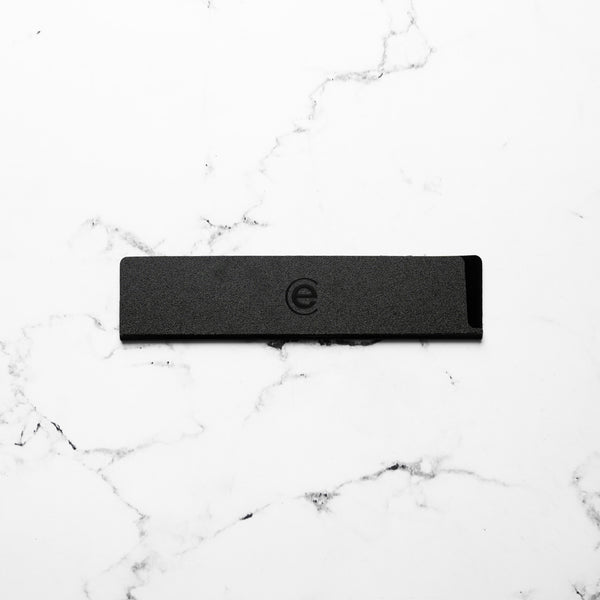
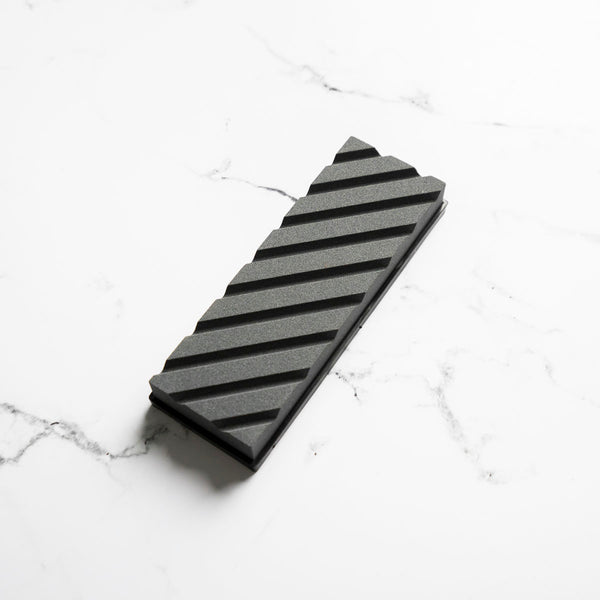
The Black Magnetic Knife Holder is a minimal and elegant knife storage solution for those who may not have room for bulky knife blocks that take up vital bench space.
– Walnut timber construction
– Strong adhesive strips runs along entire back of holder, or hang with 2 screws
– Powerful Neodymium Magnets
– 40cm L x 2cm W x 6.5cm H
- Sorry, knife not included
Adhesive Strip installation information; ensure wall is level and free of oil or dirt prior to the use of adhesive strips. After adhering the wall holder is recommended to wait 24hrs before placing knives on.
*Chefs Edge is not liable for any damage caused to knives or property while using the magnetic holder*
Specifications
| Style: | Gyuto |
| Blade Length: | 240mm |
| Overall Length: | 400mm |
| Weight: | 180g |
| Blade Height @ Heel: | 48mm |
| Bevel: | Double Bevel |
| Spine Thickness @ Mid: | 1.8mm |
| Blade Material: | Ginsan Core, Nashiji Soft Stainless Clad |
| Handle Material: | Octagon Oak |
| HRC: | 61 |
Specifications
| Style: | Gyuto |
| Blade Length: | 210mm |
| Overall Length: | 385mm |
| Weight: | 172g |
| Blade Height @ Heel: | 48mm |
| Bevel: | Double Bevel |
| Spine Thickness @ Heel: | 3mm |
| Spine Thickness @ Mid: | 2mm |
| Spine Thickness 1cm from tip: | 0.8mm |
| Blade Material: | Blue 2 Core (Pre-etched), Soft Iron Kurouchi Damascus Clad |
| Handle Material: | Octagon Bubinga |
| HRC: | 62 |
Specifications
| Style: | Petty |
| Blade Length: | 120mm |
| Overall Length: | 230mm |
| Weight: | 64g |
| Blade Height @ Heel: | 26mm |
| Bevel: | Double Bevel |
| Spine Thickness @ Mid: | 1.7mm |
| Blade Material: | VG10 Core, Stainless Clad |
| Handle Material: | Full Tang Western |
Knife Information
Who doesn't want a whale knife? Hand-forged carbon steel with soft iron clad. A perfect utility/chopper with great edge retention.
STEEL BREAKDOWN – Blue Steel is a traditional high-carbon steel made by Hitachi Metals in Japan. It is the favourite steel of many knife makers and chefs across the world for its fantastic edge holding ability, toughness, and ease of sharpening. It contains few stainless elements, and as such will develop a patina, and develop rust spots if left wet after use. It requires a little more care and maintenance than something like VG-10 (Stainless Steel), so consider this when purchasing a Blue Steel knife as your first Japanese knife.
Specifications
| Style: | Utility |
| Edge Length: |
58mm |
165mm Ginsan Core, Nashiji Soft Stainless Clad Bunka Knife.
Specifications
| Style: | Bunka |
| Blade Length: | 165mm |
| Overall Length: | 314mm |
| Weight: | 136g |
| Blade Height @ Heel: | 43mm |
| Bevel: | Double Bevel |
| Spine Thickness @ Mid: | 2mm |
| Blade Material: | Ginsan Core, Nashiji Soft Stainless Clad |
| Handle Material: | Octagon Oak |
| HRC: | 61 |
Knife Information
Who doesn't want a whale knife? Hand-forged carbon steel with soft iron clad. A perfect utility/chopper with great edge retention.
STEEL BREAKDOWN – Blue Steel is a traditional high-carbon steel made by Hitachi Metals in Japan. It is the favourite steel of many knife makers and chefs across the world for its fantastic edge holding ability, toughness, and ease of sharpening. It contains few stainless elements, and as such will develop a patina, and develop rust spots if left wet after use. It requires a little more care and maintenance than something like VG-10 (Stainless Steel), so consider this when purchasing a Blue Steel knife as your first Japanese knife.
Specifications
| Style: | Utility |
| Edge Length: |
58mm |
Specifications
| Style: | Santoku |
| Blade Length: | 150mm |
| Weight: | 128g |
| Bevel: | Double Bevel |
| Spine Thickness @ Mid: | 2.9mm |
| Blade Material: | Blue 2 Core w/Iron Clad |
| Handle Material: | Walnut w/Plastic Ferrule |
| HRC: | 61 |
Specifications
| Style: | Sujihiki |
| Blade Length: | 273mm |
| Overall Length: | 425mm |
| Weight: | 161g |
| Blade Height @ Heel: | 36mm |
| Bevel: | Double Bevel |
| Spine Thickness @ Heel: | 3mm |
| Spine Thickness @ Mid: | 1.9mm |
| Blade Material: | SLD Core, Stainless Kurouchi Tsuchime Clad |
| Handle Material: | Octagon Bocote |
| HRC: | ~62-63 |
Knife Information
1894- Mr. Tasaburo Shigematsu, a hardware wholesaler, introduced a new pocket knife with its blade and sheath folded by installing a small handle “Chikiri (tail)” on the blade, while inspired by the knife he brought back from Kagoshima.
He named it “Higonokami Knife” because many of his customers were in Kumamoto area (formally Higo country), which turned out to dramatically increase his sales. The blades have gradually changed their shapes. Unlike single-edged knives, the double-edged blades (V-shaped cross section) were in those days considered common. The earlier blades had a sharper tip (shape of a bamboo leaf), but now they have square shapes. The sheaths had a vertically folding style and a cross folding style, now the vertical one has to be custom made.
In 1911, at the First Kobe Export Articles Competitive Exhibition, Crown Prince (later Emperor Taisho) liked Higonokami on display very much and bought one, which is said to have helped its fame further spread.
The Higonikami is a fantastic traditional utility knife at a low cost.
Specifications
| Style: | Higonokami |
| Blade Length: | 70mm |
| Weight: | 39g |
| Bevel: | Double Bevel |
| Blade Material: | Engraved Aogami w/Ceramic Coat |
| Handle Material: | GlossBlack Casing |
Knife Information
A classy, low-cost serrated bread knife made in Japan. The 27cm length makes for easy cutting of all types of bread.
| Style: | Bread Knife |
| Blade Length: | 210mm |
| Weight: | 103grs |
| Blade Material: | Stainless Steel (AUS8) |
| Handle Material: | Timber |
Specifications
| Style: | Santoku |
| Blade Length: | 170mm |
| Overall Length: | 310mm |
| Weight: | 167g |
| Blade Height @ Heel: | 50mm |
| Bevel: | Double Bevel |
| Spine Thickness @ Mid: | 2mm |
| Blade Material: | Blue 2 w/Soft Iron Clad |
| Handle Material: | Octagon Bubinga |
Specifications
| Style: | Bunka |
| Blade Length: | 165mm |
| Overall Length: | 310mm |
| Weight: | 120g |
| Blade Height @ Heel: | 46mm |
| Bevel: | Double Bevel |
| Spine Thickness @ Mid: | 2mm |
| Blade Material: | Ginsan Stainless Steel |
| Handle Material: | Octagon Maple |
| HRC: | ~61 |
165mm Ginsan Core, Nashiji Soft Stainless Clad Bunka Knife.
Specifications
| Style: | Bunka |
| Blade Length: | 165mm |
| Overall Length: | 314mm |
| Weight: | 154g |
| Blade Height @ Heel: | 43mm |
| Bevel: | Double Bevel |
| Spine Thickness @ Mid: | 2mm |
| Blade Material: | Ginsan Core, Nashiji Soft Stainless Clad |
| Handle Material: | Octagon Ebony |
| HRC: | 61 |
Knife Information
1894- Mr. Tasaburo Shigematsu, a hardware wholesaler, introduced a new pocket knife with its blade and sheath folded by installing a small handle “Chikiri (tail)” on the blade, while inspired by the knife he brought back from Kagoshima.
He named it “Higonokami Knife” because many of his customers were in Kumamoto area (formally Higo country), which turned out to dramatically increase his sales. The blades have gradually changed their shapes. Unlike single-edged knives, the double-edged blades (V-shaped cross section) were in those days considered common. The earlier blades had a sharper tip (shape of a bamboo leaf), but now they have square shapes. The sheaths had a vertically folding style and a cross folding style, now the vertical one has to be custom made.
In 1911, at the First Kobe Export Articles Competitive Exhibition, Crown Prince (later Emperor Taisho) liked Higonokami on display very much and bought one, which is said to have helped its fame further spread.
The Higonikami is a fantastic traditional utility knife at a low cost.
Specifications
| Style: | Higonokami |
| Blade Length: | 65mm |
| Weight: | 33g |
| Bevel: | Double Bevel |
| Blade Material: | Laminated SK Carbon Steel |
| Handle Material: | Black Nickel |
Specifications
| Style: | Gyuto |
| Blade Length: | 210mm |
| Overall Length: | 355mm |
| Weight: | 174g |
| Blade Height @ Heel: | 52mm |
| Bevel: | Double Bevel |
| Spine Thickness @ Heel: | 3mm |
| Spine Thickness @ Mid: | 2mm |
| Spine Thickness 1cm from tip: | 1.1mm |
| Blade Material: | Blue 2 Core, Carbon Clad, Kurouchi Finish |
| Handle Material: | Octagon Walnut w/Pakkawood Bolster |
| HRC: | ~63 |
*Available to Australian customers only*
Specifications
| Style: | Flexible Boning |
| Blade Length: | 170mm |
| Weight: | 120g |
| Blade Material: | Molybdenum Vanadium Stainless |
| Handle Material: | Pakkawood w/stainless bolster |
| HRC: | 58-59 |
Specifications
| Style: |
Gyuto |
| Blade Length: | 240mm |
| Overall Length: | 400mm |
| Weight: | 180g |
| Blade Height @ Heel: | 48mm |
| Bevel: | Double Bevel |
| Spine Thickness @ Mid: | 2mm |
| Blade Material: | Ginsan Core, Migaki Soft Stainless Clad |
| Handle Material: | Octagon Oak |
Chef's Edge
We pride ourselves on offering an unparalleled selection of Japanese knives. From the versatile Gyuto and the precise Santoku to specialized knives like the Nakiri and Yanagiba, each knife is handpicked for its quality and performance.