Santoku vs Bunka: Which Japanese Chef Knife Should You Choose?

By Ben Stieger, Founder of Chefs Edge
0:51 watch
Chapters
0:00 The question
0:10 The santoku profile
0:22 The bunka and the K-tip
0:38 Why the bunka has taken over
0:45 Making your pick

Should I pick a santoku or a bunka? This one might come down to personal preference, but here's what you need to know.

The Santoku

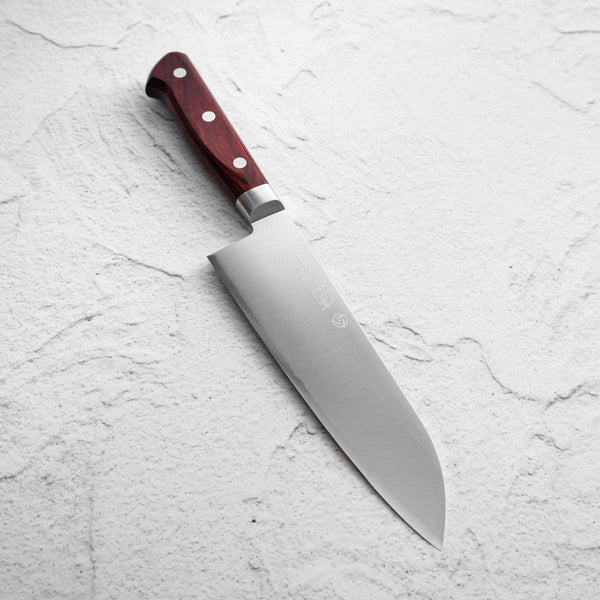
The santoku used to be one of the most popular Japanese knife shapes. With its slightly curved profile, small flat spot near the heel, and its curved bull-nose shape, this was seen as very versatile for the kitchen, and it still is.

The Bunka and the K-Tip

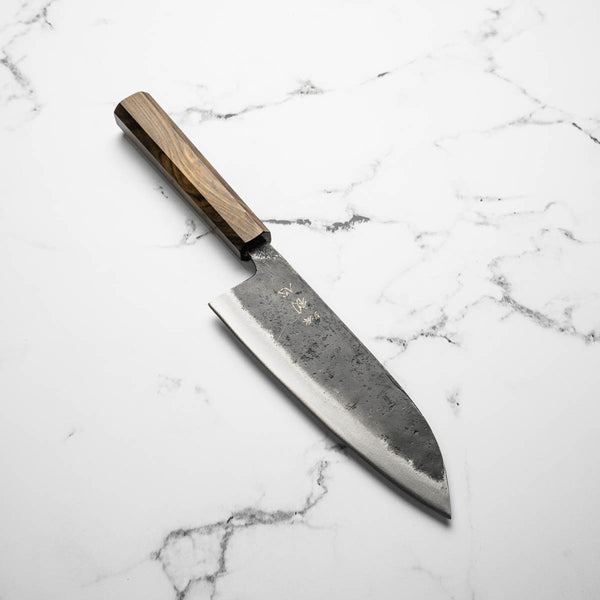
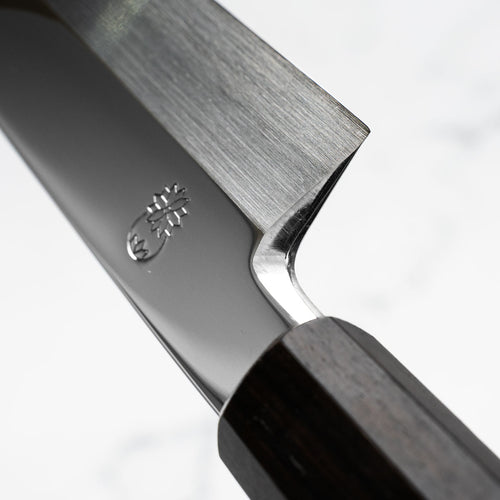
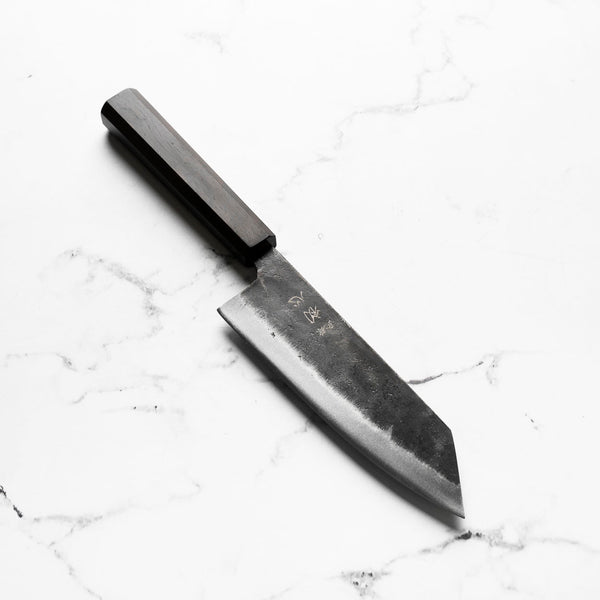
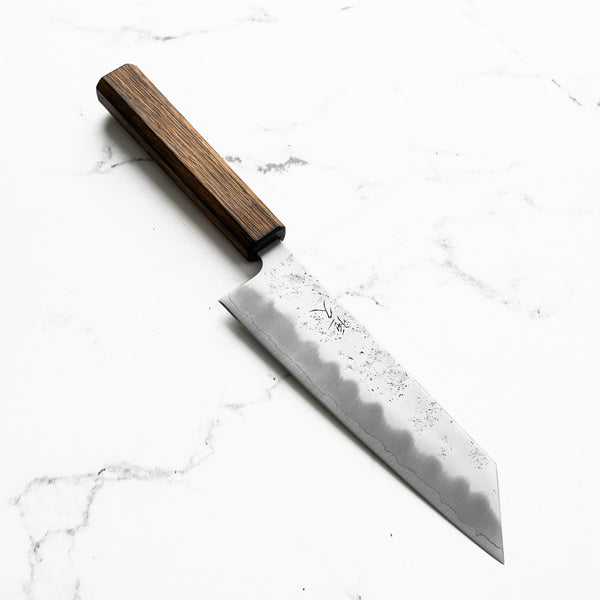
But in recent years, the bunka, with its aggressive K-tip, has become a much more popular alternative. A lot of the time a bunka will have a flatter blade profile with less rise at the tip. And the aggressive K-tip, as we call it, can be used to push food across the cutting board without having to drag your knife edge along the board.

Why the Bunka Has Taken Over

Personally, I think they just look cooler, which might have something to do with how popular they've become now compared to the santoku.

Making Your Pick

So really, at the end of the day, only a slight variance in blade profile and the tip compared to the santoku. Based off that, you should be able to make your pick.
Our Recommendations
Frequently Asked
What is the main difference between a santoku and a bunka?

The main difference is the tip. Santoku has a rounded bull-nose tip; bunka has an aggressive K-tip that lets you push food across the board without dragging the edge. Both are double-bevel all-purpose Japanese knives, usually 165 to 180mm.

Which is better for a beginner?

Both are excellent first Japanese knives. Santoku has a more familiar shape and is slightly more forgiving. Bunka has a flatter profile that some find easier for push-cuts on vegetables. Either will serve a first-time Japanese knife buyer well.

Can a bunka replace a gyuto?

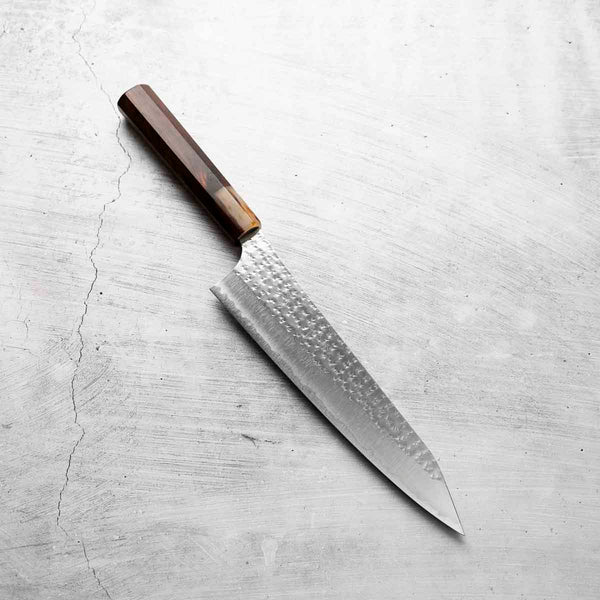
For most home use, yes. A bunka handles vegetables, herbs, boneless proteins, and general prep. A gyuto is longer with a more rocked profile, better if you prefer a rocking-cut technique or need more slicing reach.

What length santoku or bunka should I get?

170mm suits most home kitchens for both shapes. 180mm gives more reach if you have counter space; 165mm is nimble on smaller boards. Blade length matters more than the shape when picking your first.